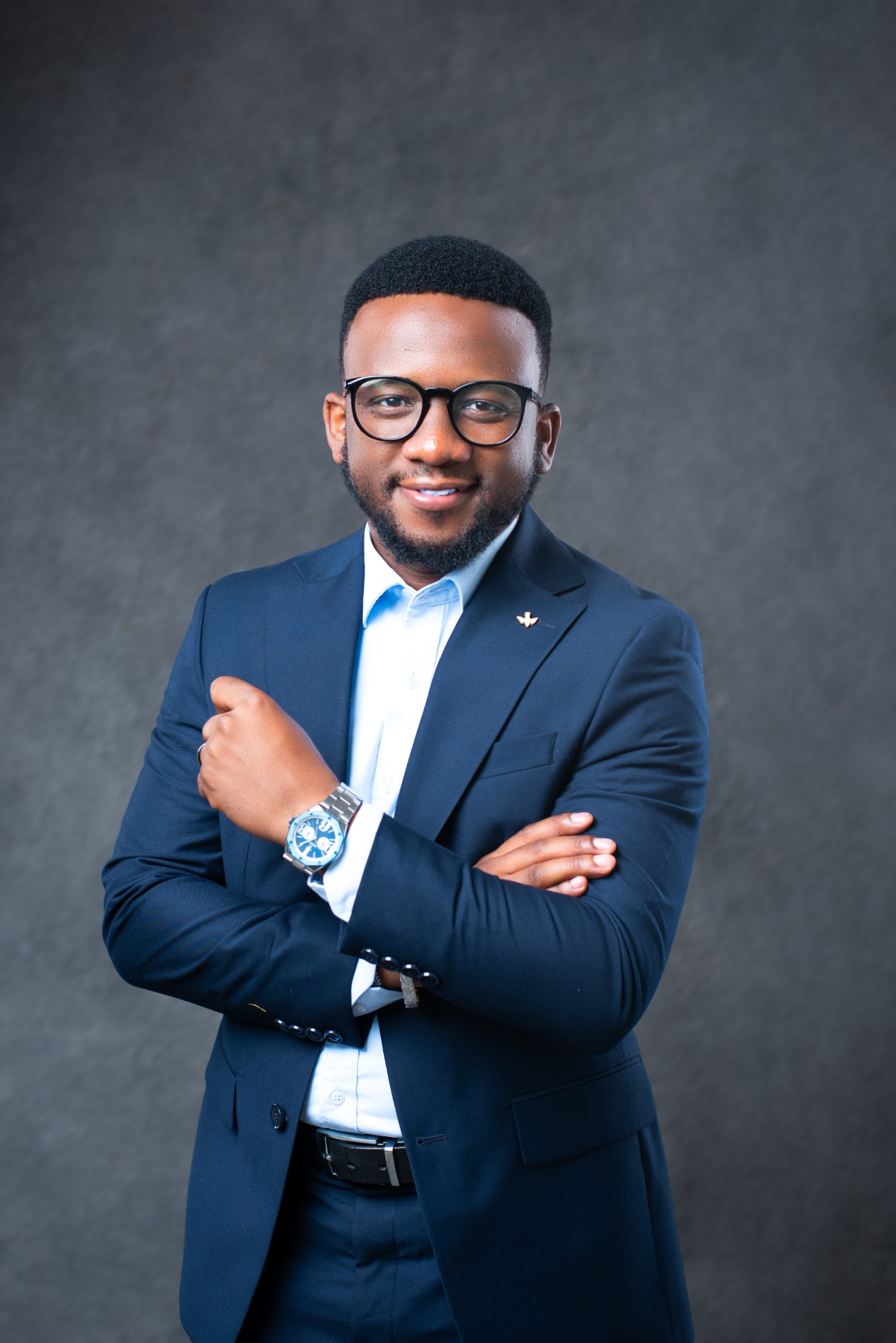
As I reflect on my work and ministry, I can see many areas of growth and excellence, but also clear areas of weakness and struggle. One area, of the many, I have had to face honestly is leadership and administration. The ability to make tough decisions, plan with precision, communicate clearly, hold people to account, and lead decisively has been a consistent struggle for me. This is confronting, especially because it feels like the opposite of who I once was.
Someone recently asked me which phase of my education I enjoyed most, and without hesitation, my answer was high school. At Uasin Gishu High School, I encountered an environment that brought out the best in me. I arrived from the village shy, timid, and unsure of myself, walking into a towering school filled with city bred, brilliant students. I did not know where I belonged or whether I would ever find my footing. But that space did something profound to me.
I met teachers and a student community that pushed me beyond my fears. I discovered my gift as an orator. I preached at assemblies, ran an aggressive and contested presidential campaign, and led one of the strongest student leadership councils the school had seen in years. This is not prideful, it is simply factual, and there is still a trophy at UGHS that tells that story, the only one of its kind in two decades. My teachers and classmates believed I was cut out for leadership, even political leadership. That season formed me as an assertive, expressive, decisive, and bold leader. I did not fear speaking my mind, and I was unafraid to take uncharted paths, including leading the shift where students took responsibility for cleaning their own classes instead of relying on hired labour as was the case, a deeply unpopular decision at the time, but one we pushed through.
Yet today, I often feel like a shadow of that version of myself. I struggle to speak my mind. I hesitate in making tough decisions. I sit quietly in boardroom meetings where important matters are discussed, convinced that someone else knows better and that my voice does not carry weight. Even in committees I chair and meetings I lead, I have often led from silence. Somewhere along the way, that bold and decisive leader faded.
Over time, my dreams shrank. I convinced myself that administration was simply not my gift. If you ask people who have worked closely with me over the last five years, they will likely describe me as diplomatic, peace loving, conflict avoidant. I have often chosen harmony over hard conversations, status quo over necessary disruption.
This year, I have had to sit with uncomfortable questions. Is this meekness, or fear dressed up as humility? Is it wisdom, or avoidance? Is it identity, or incompetence masquerading as virtue? To understand this shift, I traced my journey back and realised that the bridge between the me then and the me now is my university.
My experience at the university, particularly at Kenyatta University, is complicated. Unlike the joy and warmth that floods me when I think of UGHS, my memories of KU are heavier. The first month was unbearably lonely. Thousands of students around me, yet I felt profoundly alone. My only familiar face was Obed, my high school friend. Eventually, I met a few others from back home, but the loneliness lingered.
Then I found the Christian Union. Or perhaps it found me. Suddenly, I was welcomed into a beautiful community. I still remember how warmly we were received as freshmen, the culture, the excellence, the sense of belonging. For the first time since joining campus, I felt seen. A gap was filled, a need was met, and that space became home, almost sacred. I decided I would live there, serve there, and belong there fully for the rest of my university life.
What I did not yet understand was that the CU operated within a very specific ecosystem, one that would require me to change more than I realised. My life shifted almost entirely to the spiritual, and I do not say this lightly. It is at KUCU that my relationship with God deepened profoundly. I learned discipline in prayer, Scripture, and got grounded in devotion. It was intense, high pressure, and formative, and for that I remain deeply grateful.
At the same time, many parts of who I was began to feel problematic. My expressiveness, ambition, and charisma were often treated with suspicion. Phrases like “zeal without direction” were used to counsel me, sometimes rightly. I found myself increasingly associated with trouble rather than good. Those things that once defined me were soon becoming threats to my being in this beautiful community. Recently, a very good friend I met from the university invited me to speak somewhere and, during my introduction, he jokingly said that back in the day, he often thought I would become a cult leader. We laughed, but that comment stayed with me, because it echoed sentiments I had heard before. Many people had this opinion about me to the point that when I started doing what I do today, there are a few who’ve openly told me that they’ve been pleasantly surprised about the direction my life has taken. I’m not so sure what to feel about this! I don’t know whether it says more about me or them. But I’ve constantly been a victim of perception and opinions since them! It is what it is I guess!
There were accountability meetings. Informal conversations where concerns were raised. One leader once asked me whether I tended to see myself as more important, more mature, or having more to offer than others. I do not know what they saw, perhaps how I spoke, how I carried myself, how readily I volunteered, but those words cut deeply. They felt like a threat to my belonging.
The CU was my only community at the time, my only family on campus. Losing it felt unthinkable. So I coiled back. I withdrew. I decided that meekness, or at least what I understood as meekness, was the price of belonging. It felt easier to lose parts of myself than to risk losing the community. At the time, this choice felt wise. Only later did I realise how deeply it shaped me.
I did not perform to my potential academically or holistically at university, not because I lacked ability, but because my metrics for success had narrowed almost entirely to the spiritual. Ironically, two of the people who challenged my thinking the most during that season were not even believers. They pushed me to see life more broadly, but my world had already shrunk.
Years later, here I am, unlearning, undoing, and recalibrating. Take away my great oratory skills which perhaps is the only thing that was never taken away from me, you’ll find a shell!
I now work with teens who remind me so much of my younger self that I sometimes do not know whether to rejoice or grieve. Perhaps both. What I do know is that I now hold people like that with more grace. I have learned how subtly environments shape us, how easily we can affirm or diminish someone without intending to.
I remain grateful for that space and for what God did in me there. I am learning that growth is not always about adding more, sometimes it is about reclaiming what was quietly laid down along the way. I am discovering that humility does not require the disappearance of voice, and that belonging should never demand the erasure of identity.
I am still learning how environments shape us, how easily we trade parts of ourselves for acceptance, and how long it can take to notice what we have lost. Perhaps the invitation is simply this, to pay attention, to ask what we are becoming, and to ensure that in our pursuit of depth and belonging, we do not forget to make room for the fullness of who we are meant to be.