Last Friday, I was listening to the BBC as a distraught mother was being interviewed. Her son had tragically died after attempting an online challenge he encountered on social media. You could hear that she was not only grieving but also searching for answers about what children are being exposed to online. At one point, she said something that has stayed with me all week: “You do not take children to a nightclub and then ask that they be served orange squash. They simply should not be there in the first place.” It is a sentiment I have also heard echoed by Kemi Badenoch, the UK Leader of the Opposition. Profound!
That sentence has lingered with me because it exposes something we often overlook. There is a powerful relationship between environment and behavior. We spend a lot of time dealing with choices, habits, and outcomes, while quietly ignoring the spaces that make those outcomes possible.
In my walk with the Lord, I have found that many of my sin-struggles were not simply personal failures. They were greatly shaped and sustained by enabling environments. Certain spaces did not create the desire, but they made it easier to act on it. They normalised what I was already tempted toward.
We see this at play in our everyday life. Walk into a room filled with loud music and you automatically raise your voice to communicate, step into a room playing soft jazz and you instinctively lower your voice without being told. Environment trains behaviour long before conviction steps in.
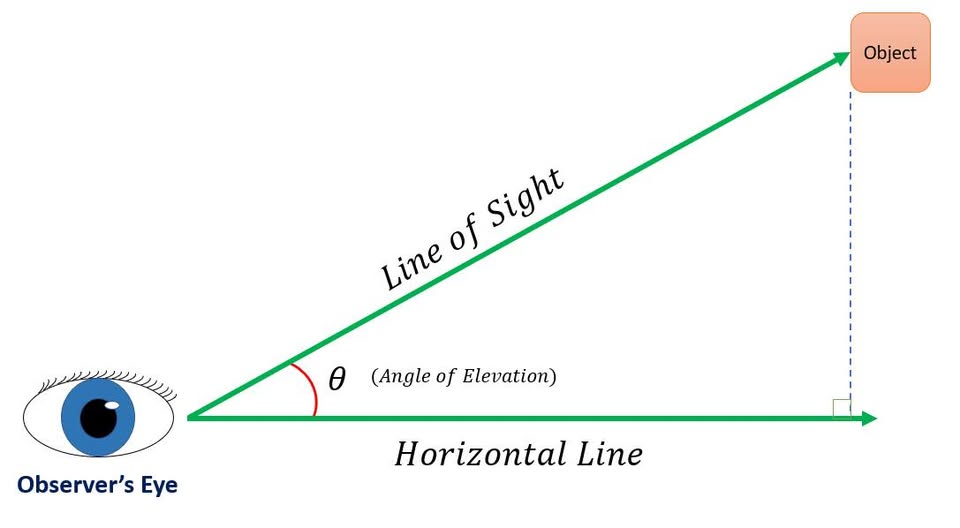
Scripture gives us a sobering illustration of this with David. We are told that it was a time when kings were supposed to be at war, engaged, occupied, spent on a cause. Instead, David stayed behind, unengaged, wandering on a rooftop and from that position, he saw Bathsheba, and we know how that story unfolded. There were others in David’s house that day, but they did not see what he saw, not because they were better, but because they were standing somewhere else. Think about it, where you stand determines what you see, and what you repeatedly see eventually shapes what you desire.
What if some of the change we are praying for will not come from trying harder, but from standing somewhere else? What if wisdom, at this stage, is less about stronger resistance and more about better placement.
Sometimes the most spiritual decision is not learning how to say no more forcefully, but choosing environments that do not constantly demand that you do.